
[ad_1]
Instead of paint or canvas, the artists who created what we now call Land art moved beyond museums and galleries and turned to tools such as rocks and dirt. Though one could argue that this practice dates back centuries or millennia, the prime of Land art as a movement took place in the 1960s and ’70s.
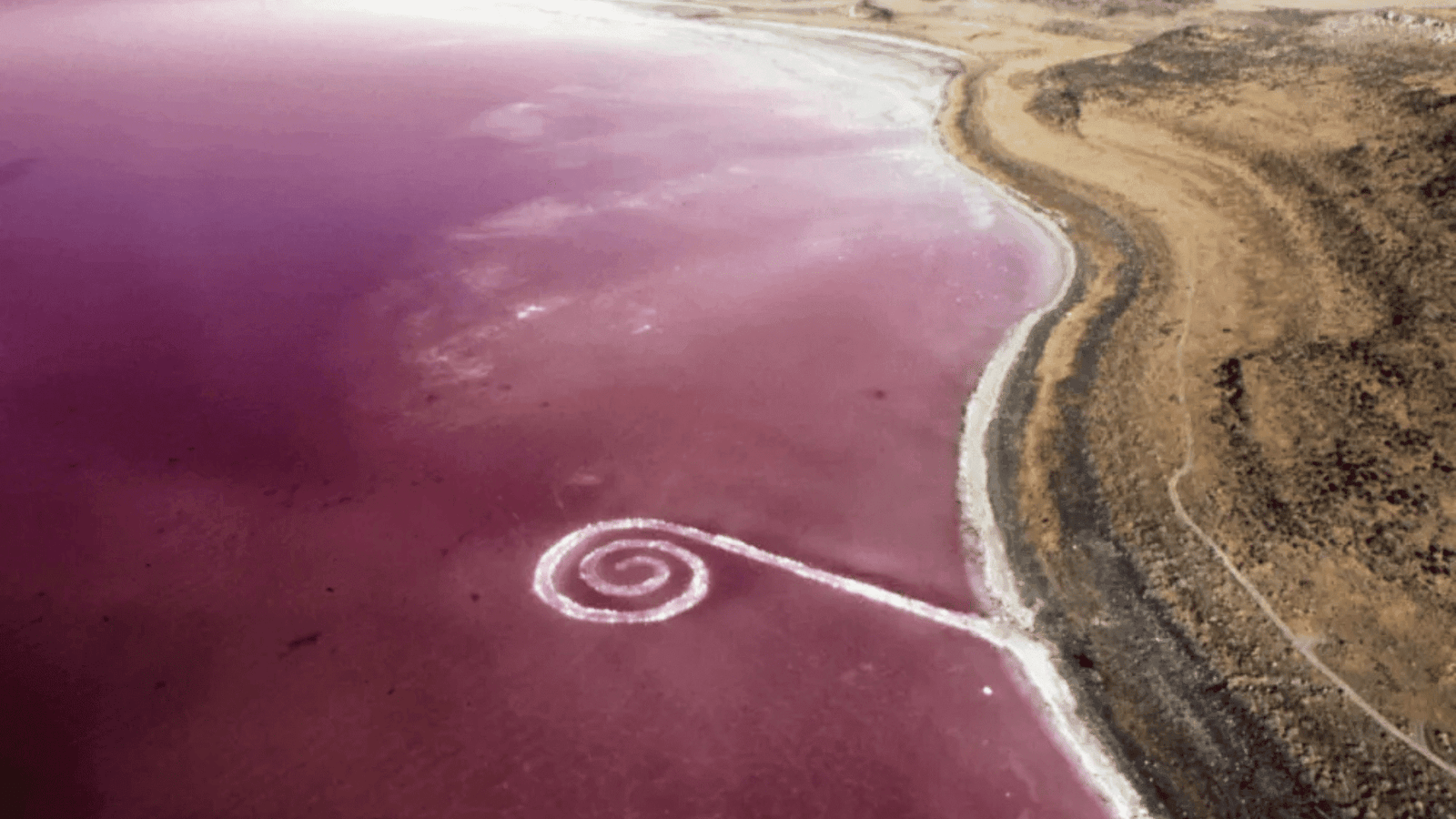
Robert Smithson, Spiral Jetty (1970)
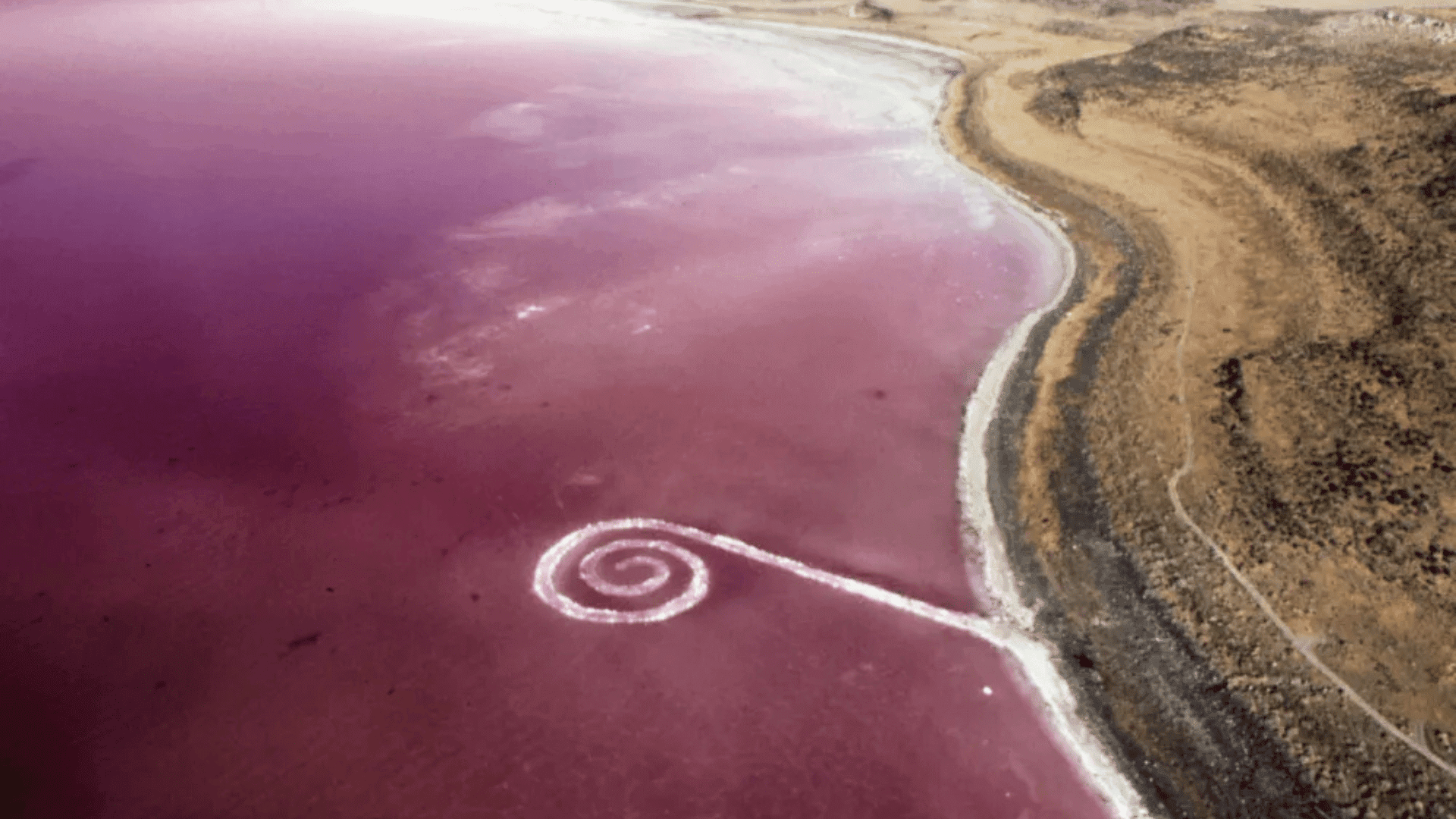
This 1,500-foot vortex was constructed with more than 6,000 tons of basalt rocks spiraling out into Utah’s Great Salt Lake. Smithson was intrigued by the lake due to the unique colors of the water, which are due to the organisms residing there.
“Size determines an object, but scale determines art,” Smithson wrote. “A crack in the wall if viewed in terms of scale, not size, could be called the Grand Canyon. A room could be made to take on the immensity of the solar system.”
Charles Ross, Star Axis (Ongoing)
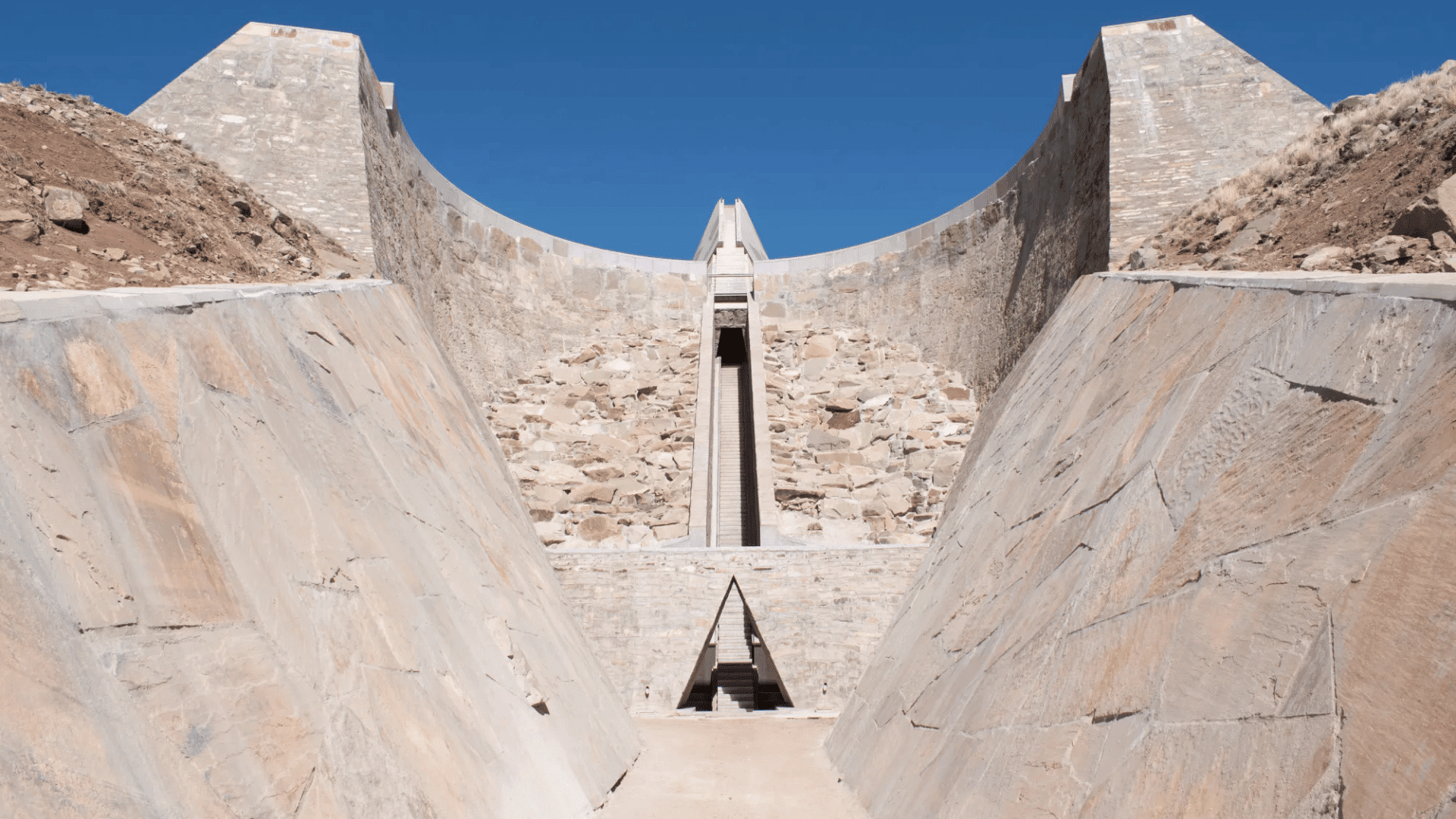
Located in New Mexico, this piece is an astrologically aligned observatory and architectonic sculpture. The artist has worked with light over various projects, including works involving spectrums and “solar burns,” which creates a fire-like effect by filtering sunlight through glass.
Beginning in 1971, Ross has spent decades constructing this 11-story high piece that’s currently scheduled to be completed later this year. The final piece will feature different tunnels and chambers that showcase particular cosmic alignments, such that “the viewer can walk through layers of celestial time, making directly visible the 26,000-year cycle of precession, Earth’s shifting alignment with the stars.”
Nancy Holt, Up and Under (1987)
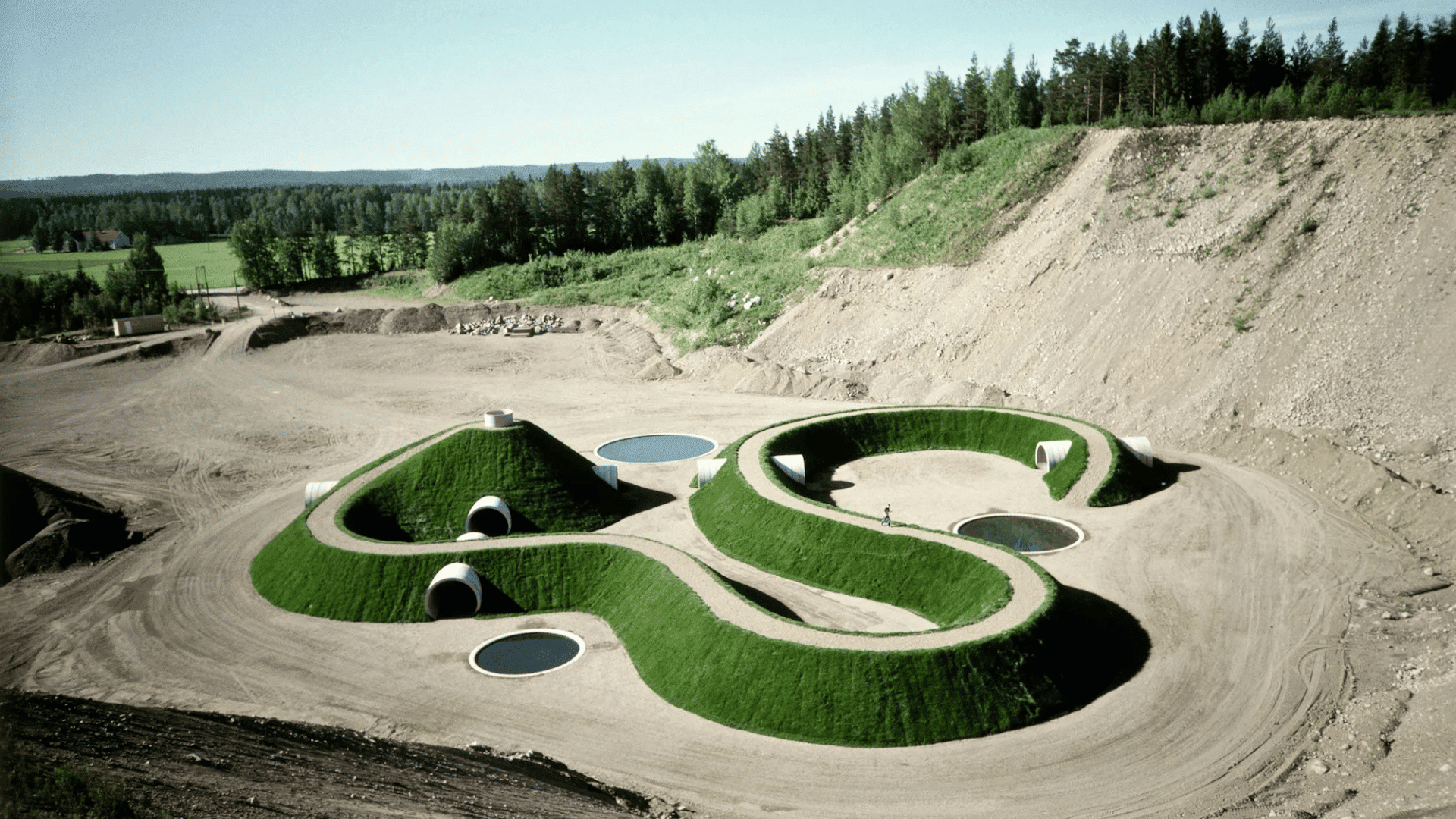
Also, the creator of another famous Land art piece titled Sun Tunnels, Holt used a former sand quarry in Finland to create her piece called Up and Under. The piece involves a corkscrewing series of tunnels covered in grass, aligned in relation to the North Star. Pools of water surround the area, and the Earth here was gathered from different locations around Finland.
As suggested on the website for the Holt/Smithson Foundation: “The work provides a terrain ripe for sensory experience and conceptual musing alike.”
Walter De Maria, The Lightning Field (1977)
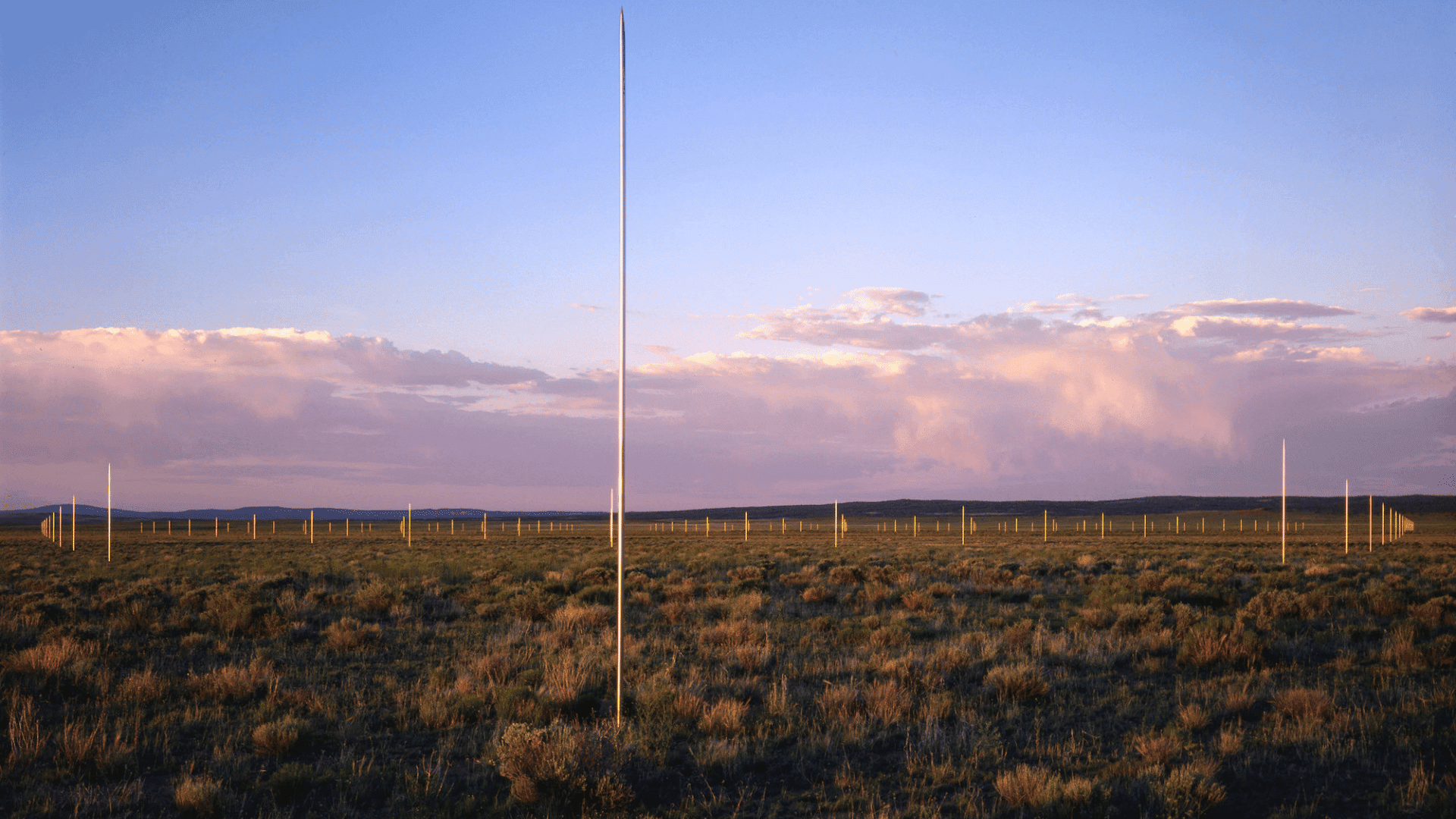
This piece consists of 400 silver rods standing up in a flat expanse of desert surrounded by mountains in New Mexico. Fluctuations in sunlight make the poles appear invisible or glow like matchsticks. When a storm hits, the poles in the field can attract lightning strikes, thereby using nature to create an interactive art installation.
[ad_2]
Source link