
[ad_1]
With the 79th Cannes Film Festival kicking off today, we’ll be seeing the stars walking the red carpet up the steps to the Palais des Festivals. But what if the celebs weren’t there?
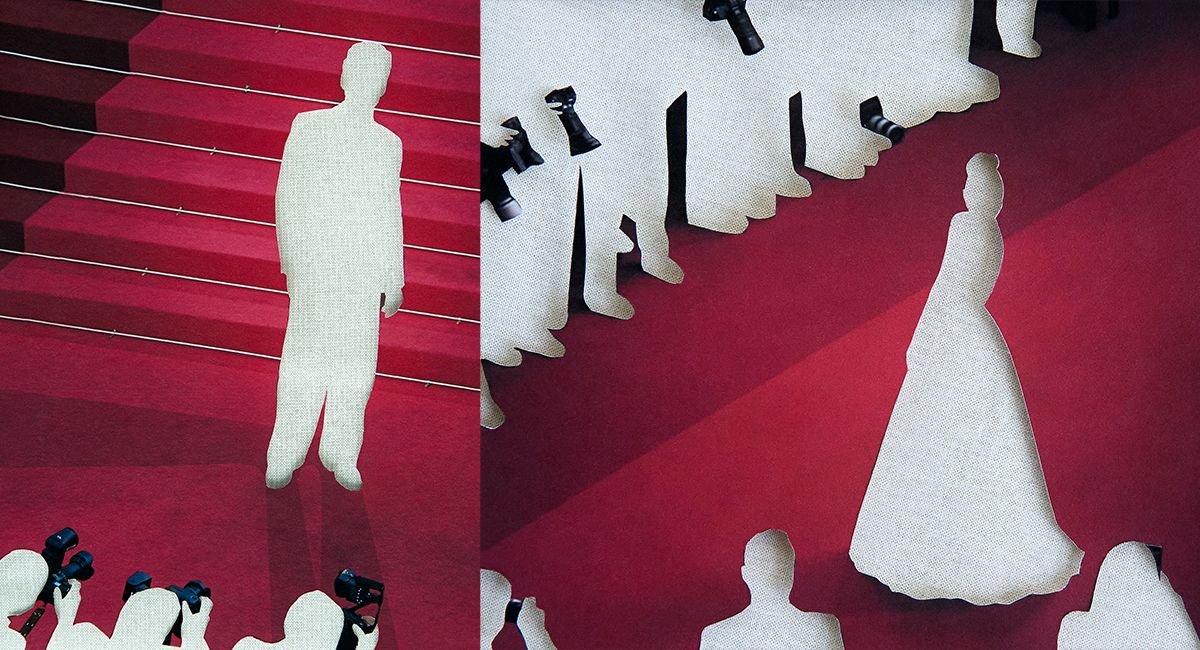
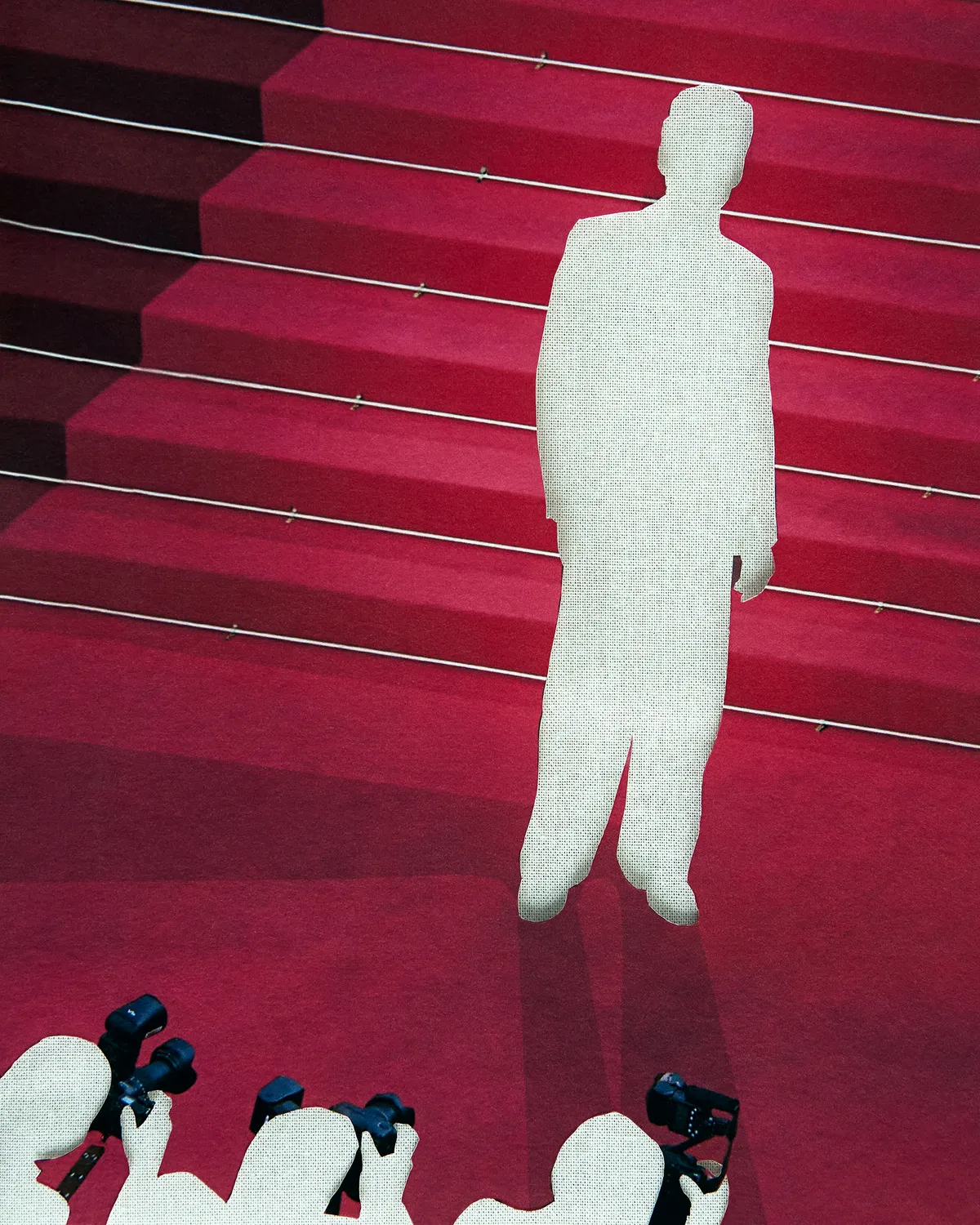
That’s the question posed by an artist and photographer whose latest work sees renowned actors like Anya Taylor-Joy, Pedro Pascal, Charlize Theron, Alexander Skarsgard and Rooney Mara removed from iconic red carpet photos, leaving an empty silhouette. The photographers have also been removed, their cameras left floating in the air. It’s like the humans have all been abducted, leaving only their tools, which is the artist’s concern.
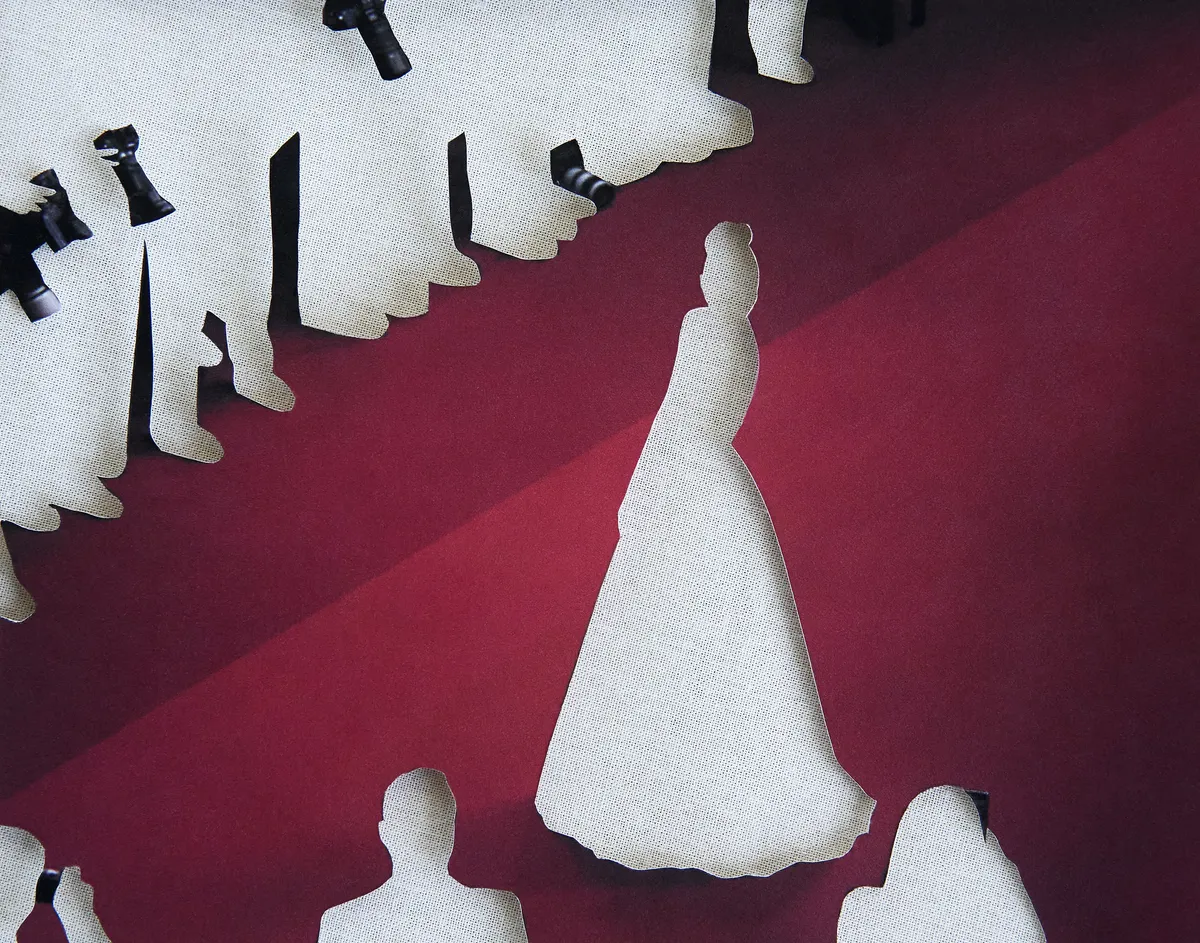
Alma Haser’s Empty Red Carpet pieces are striking but also haunting. The aim is to provoke debate about what the artist sees as the “creative theft” posed by generative AI. The work was created as part of a collaboration with Human Made Mark, an initiative launched last month with the mission of protecting human artistry in film and TV by certifying productions that have real people both in front of and behind the camera.

German-born Alma, who’s based in England, received the Magenta Foundation’s Bright Spark Award for her Cosmic Surgery series and a PDN Photo Annual Award for Eureka Effect. She says she’s concerned about the impact of AI on the creative industry, both in terms of its effect on people’s work and on visual aesthetics.
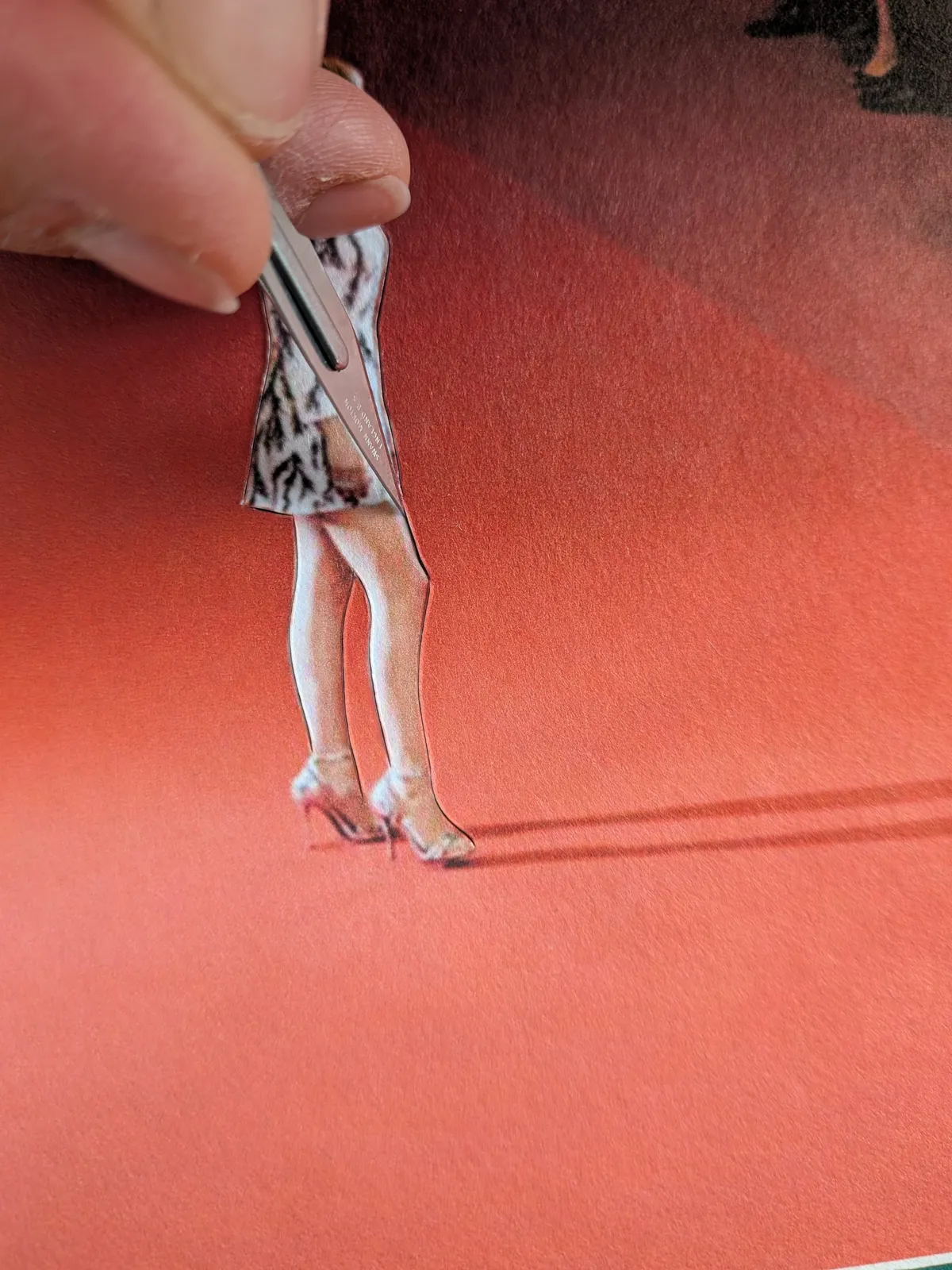
“Everything is starting to look very similar and creative craft is becoming more and more important and relevant,” Alma says. “All of my work is created by hand, often reprinted and reworked away from the screen, so my practice is inherently tactile. I believe that physicality is what initially drew William, the founder of the Human Made Mark, to collaborate with me.
“For this series, I wanted to evoke an eerie sense of emptiness, reflecting a future in which AI could potentially replace us, becoming the sole presence behind the camera. I experimented with textures like TV static and digital glitches to suggest an artificial form or space, but ultimately a plain canvas texture felt the most resonant.
“The canvas is something tangible, something we can physically connect with. It also holds a sense of possibility and quiet hope, an open surface onto which we can reclaim authorship and begin to paint the next story.”
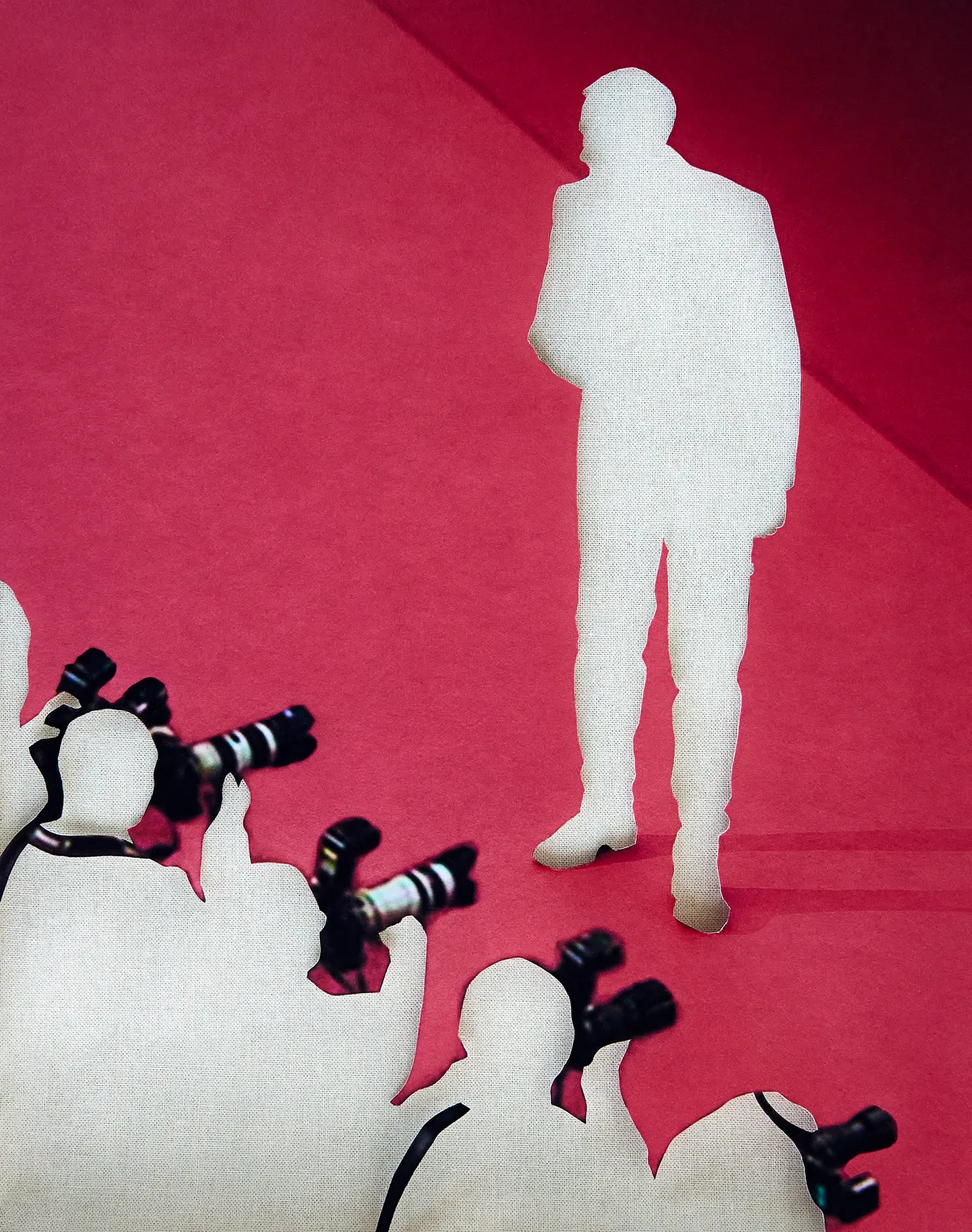
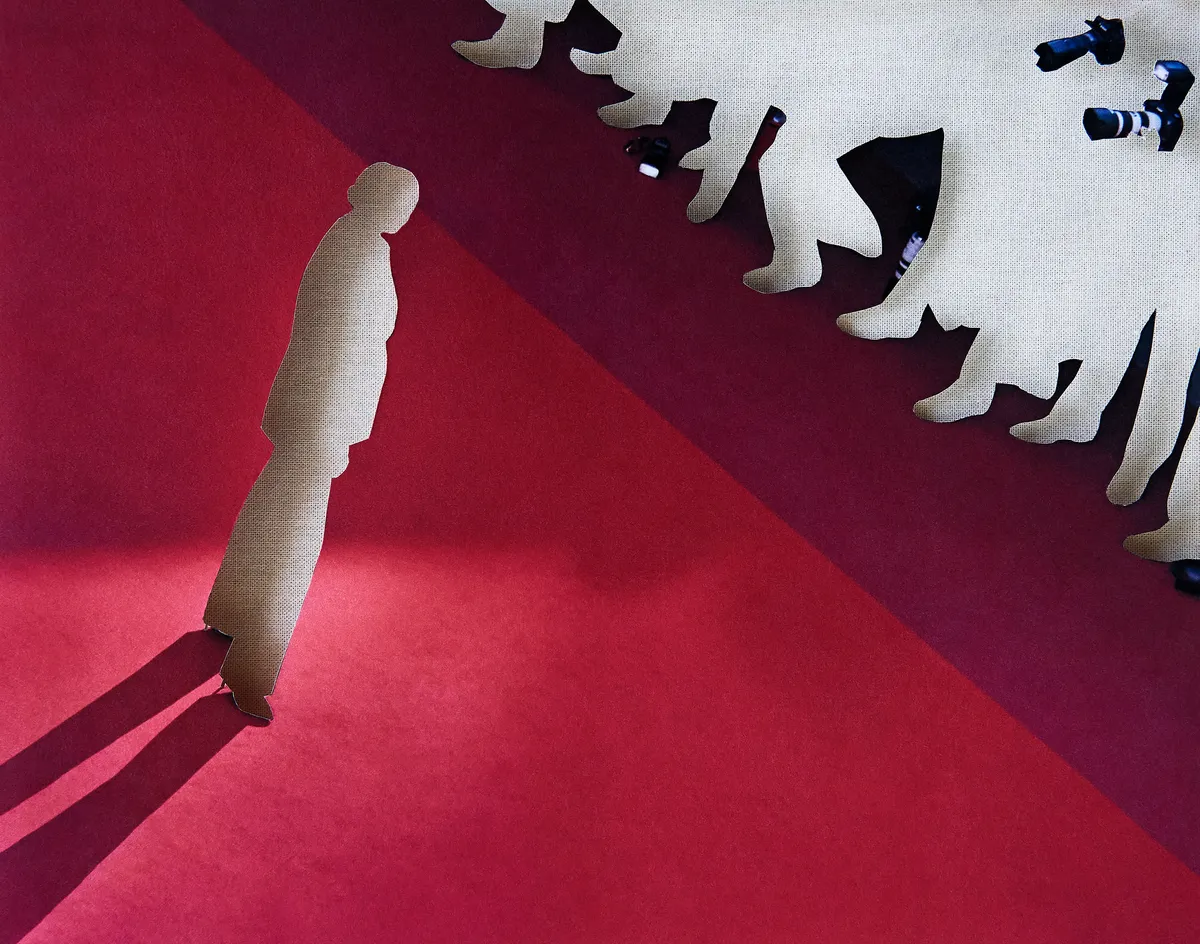
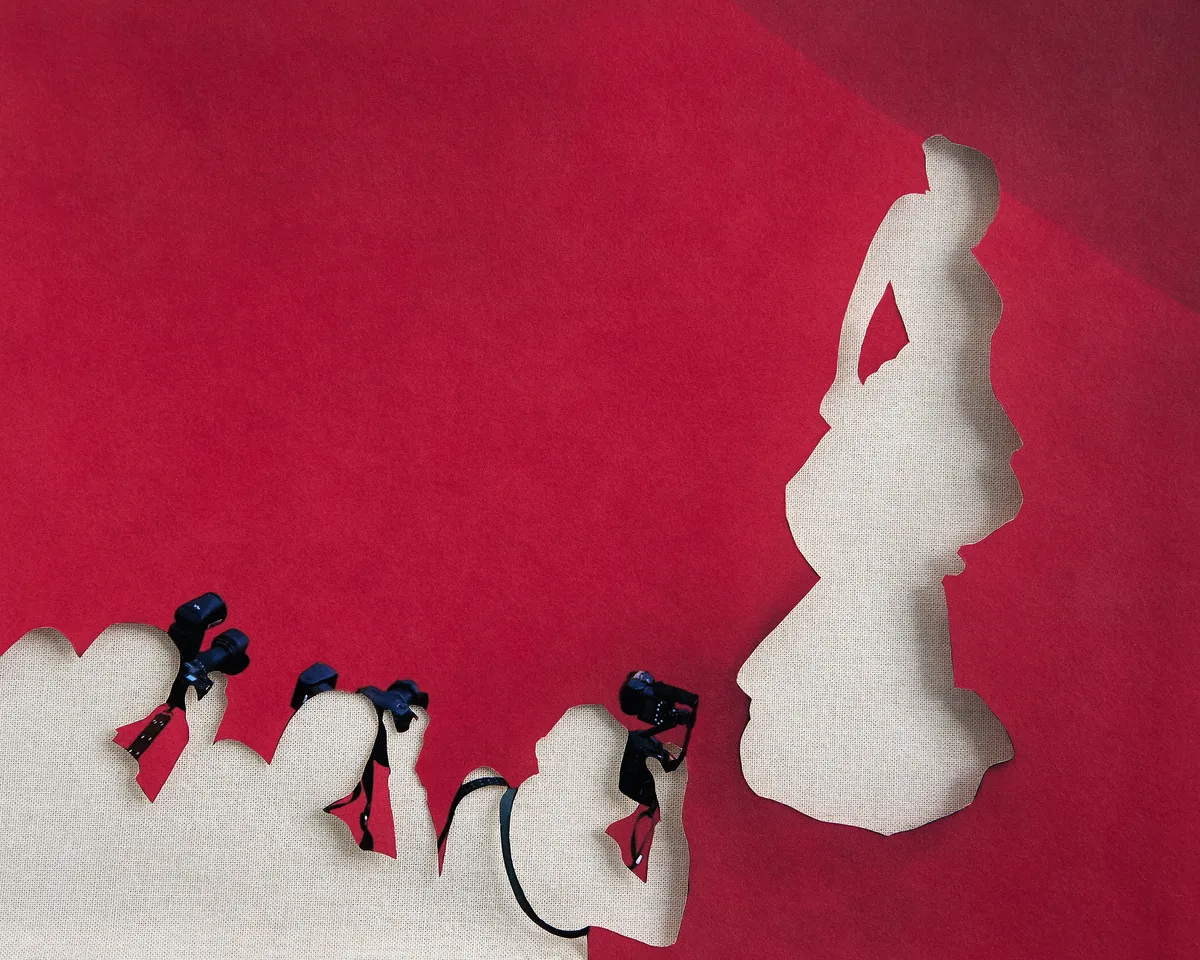
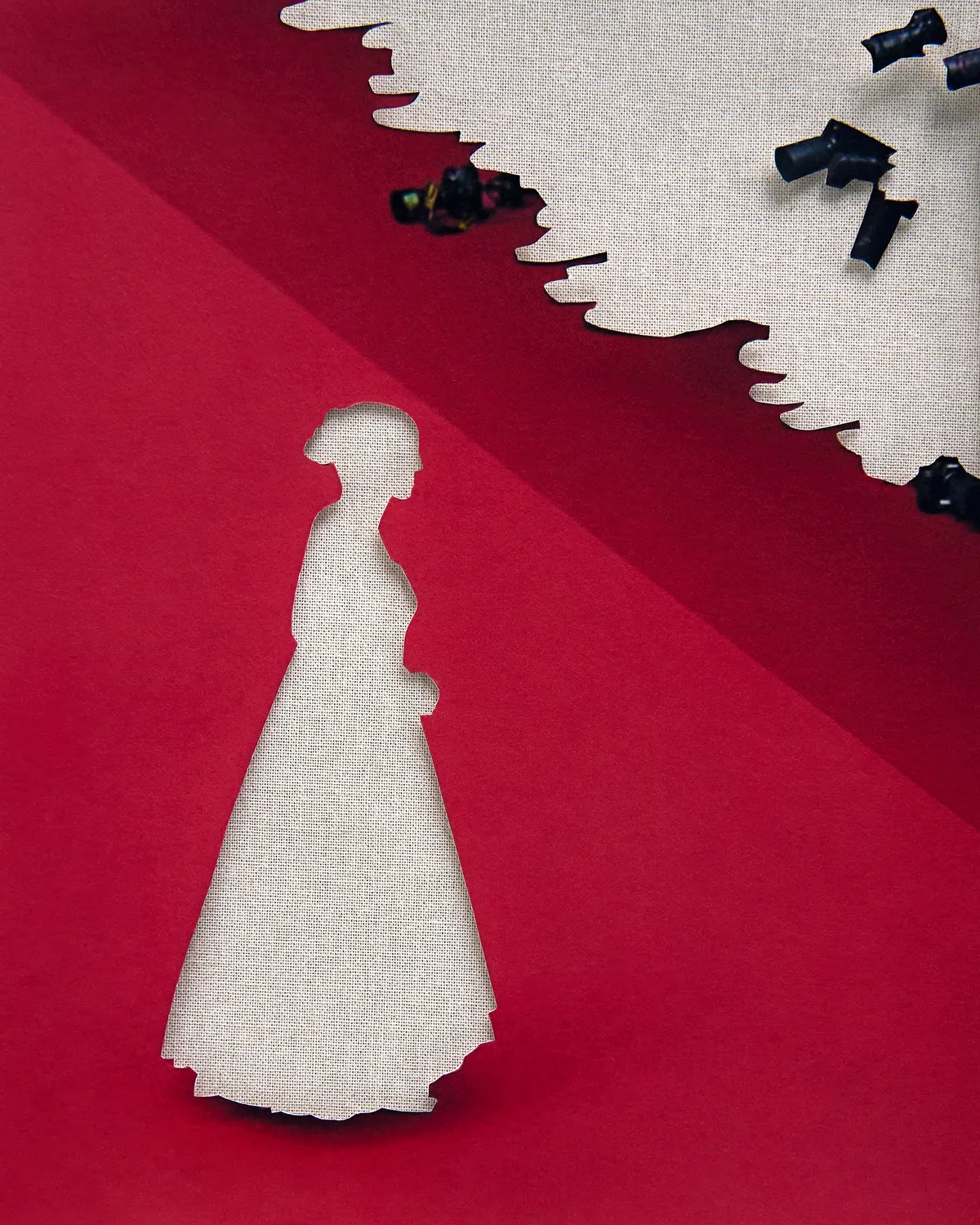
Haser blends digital photography with analogue techniques, including paper-folding, collage and mixed media, to create layered sculptural images that blur the line between two and three dimensions.
She plans to tour the Empty Red Carpet Series artworks in galleries and at film festivals this year.
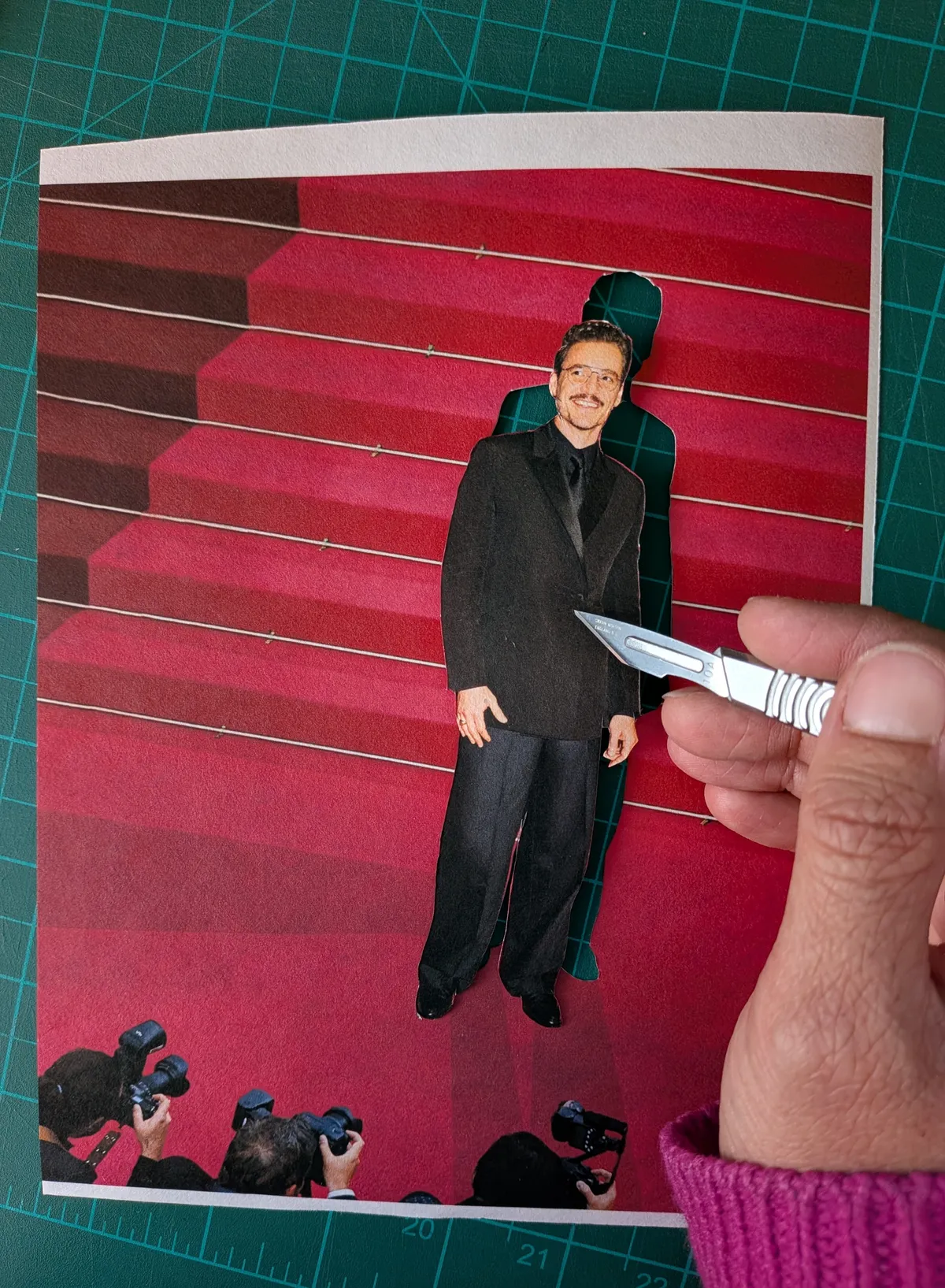
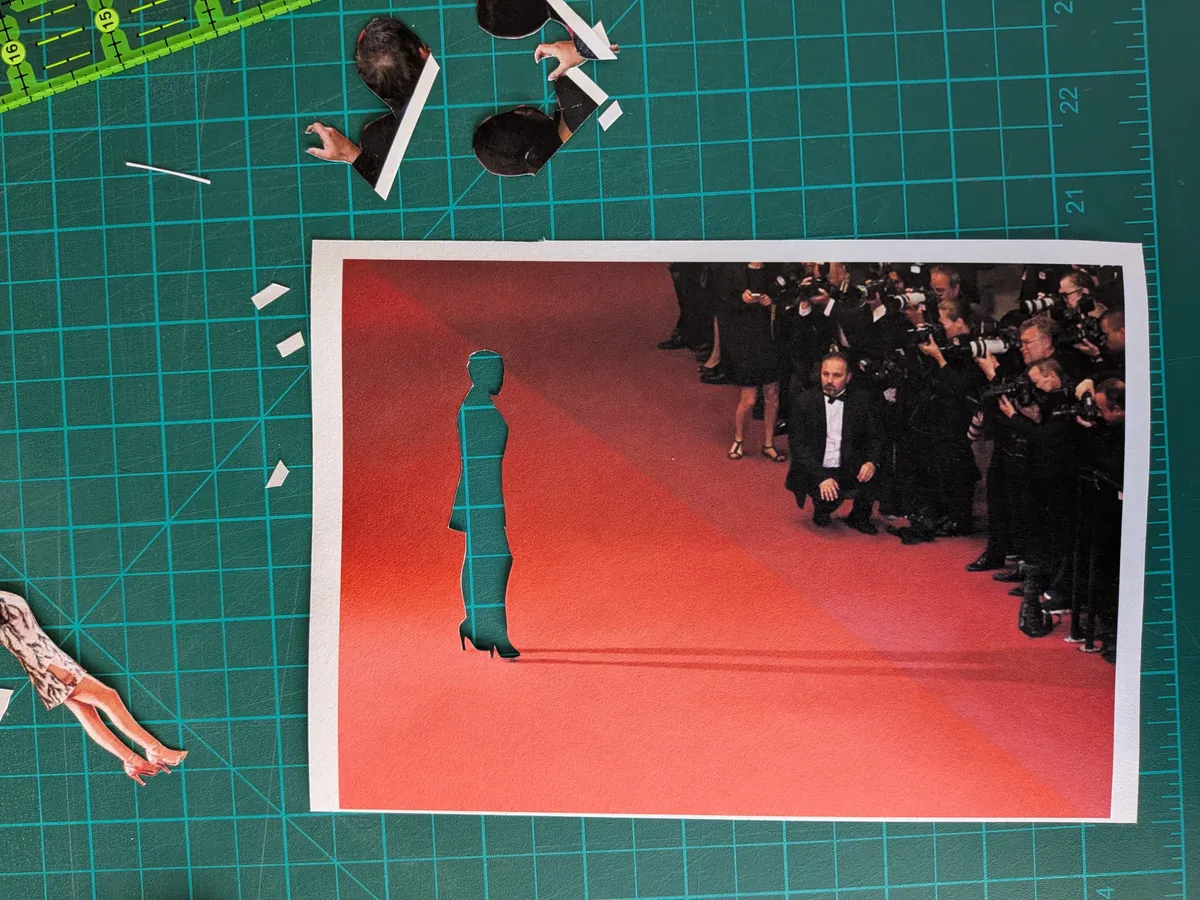
The founder of the Human Made Mark, writer and director William Grave, said it was important to make a statement while eyes are on Cannes. While the Academy recently banned AI from winning certain Oscars, that’s unlikely to be enough to prevent AI from encroaching on the industry.
The Human Made Mark project aims encourage audiences to choose authenticity over AI and help create a premium for human-made work. The initiative includes an animated ident created by the animator Gagandeep Kaur Chahal, which will play before each film that the organisation certifies as human made.
“In an AI era, when what is deep and real and what is deepfake is blurring,” William says. “People want human connection more than ever. We believe these hand-made, human made artworks will really resonate with the general public, not just filmmakers. We’re excited to see what comes next on their journey as these artworks go on tour. Alma and I hope to inspire the world to keep art and film deeply and unapologetically human.”
[ad_2]
Source link