

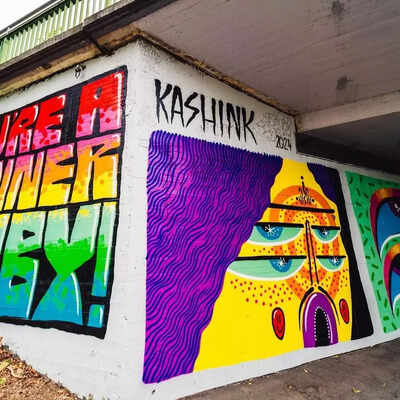
Across India this month, ordinary walls are being reimagined as canvases. From neighbourhood lanes to institutional campuses, the fifth edition of Wall Art India is transforming public spaces into sites of colour, conversation and collaboration. Running from February 10 to March 9, the initiative – led by the Alliance Française in partnership with the Embassy of France in India and Institut Français , spans 15 cities and brings together artists from India and France to create large-scale murals rooted in local contexts. Since its launch in 2021, the project has steadily expanded its footprint, turning public art into a shared civic experience rather than a gallery-bound one. This year’s edition features four internationally recognised artists whose practices intersect with themes of identity, community and urban memory. Indian muralist Khatra is known for meditative works that combine typography, abstraction and textured surfaces drawn from city life. French artistAcross India this month, ordinary walls are being reimagined as canvases. From neighbourhood lanes to institutional campuses, the fifth edition of Wall Art India is transforming public spaces into sites of colour, conversation and collaboration.
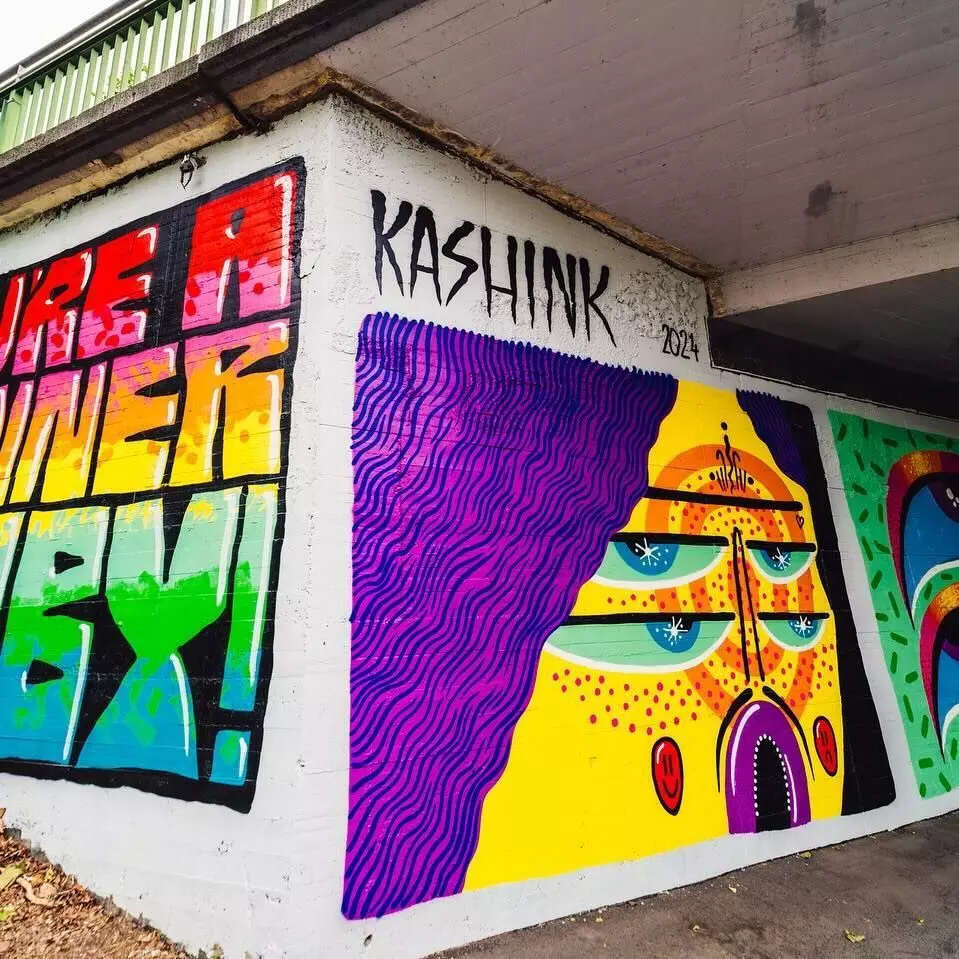
Running from February 10 to March 9, the initiative , led by the Alliance Française in partnership with the Embassy of France in India and Institut Français , spans 15 cities and brings together artists from India and France to create large-scale murals rooted in local contexts. Since its launch in 2021, the project has steadily expanded its footprint, turning public art into a shared civic experience rather than a gallery-bound one. This year’s edition features four internationally recognised artists whose practices intersect with themes of identity, community and urban memory. Indian muralist Khatra is known for meditative works that combine typography, abstraction and textured surfaces drawn from city life. French artist Kashink brings a vibrant, feminist visual language that challenges social conventions and celebrates fluid identity. Fellow French artist Kesadi draws from everyday urban scenes to create layered compositions, while Dey MKO explores themes of women’s strength and collective resilience through bold colour and symbolism. Rather than producing isolated artworks, the festival emphasises collaboration. Artists work alongside students, neighbourhood groups, NGOs and young residents, ensuring that each mural reflects the lived experiences of the space it occupies. The process itself becomes as important as the finished work, turning walls into meeting points between cultures, generations and perspectives.
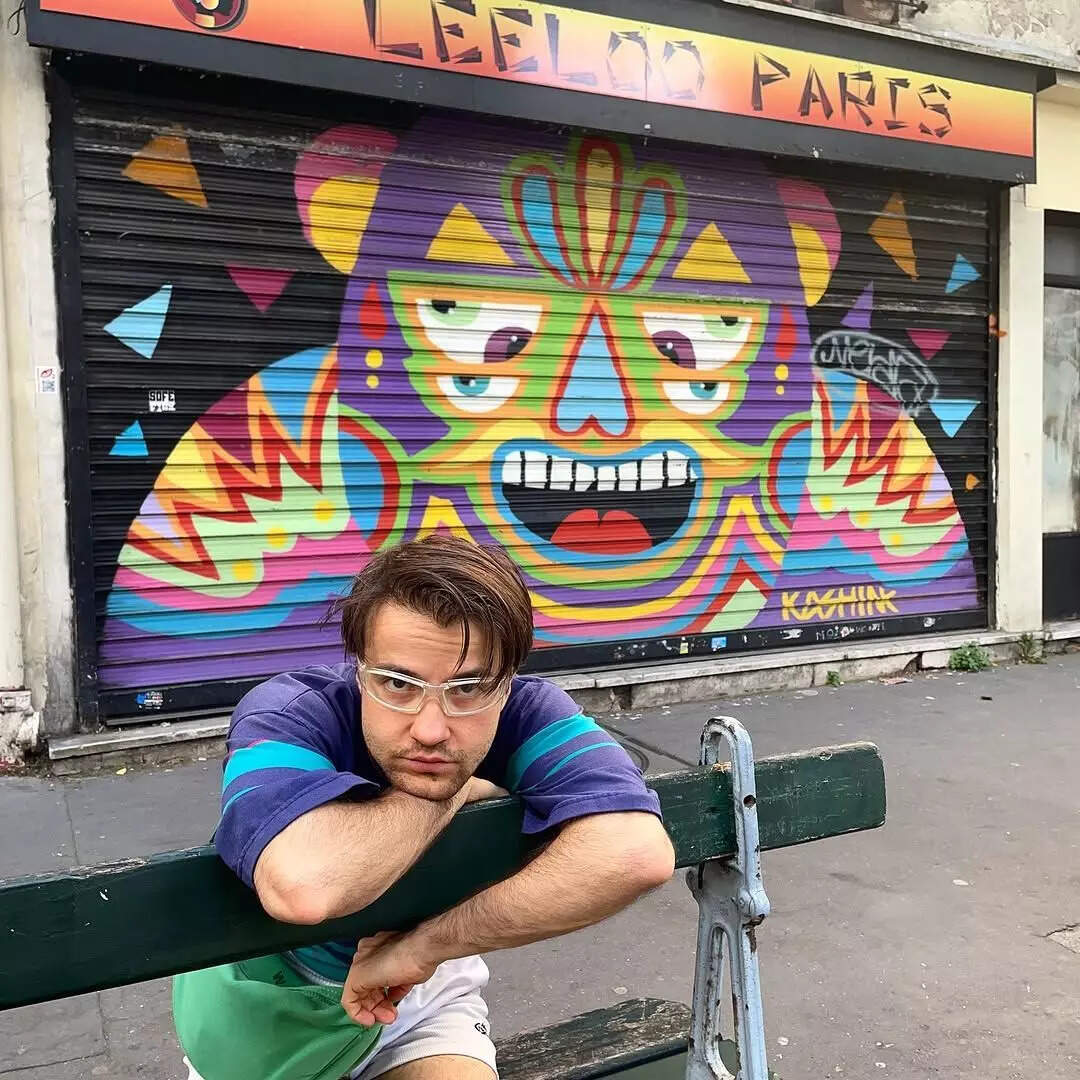
Kashink
In Kolkata, Kashink’s visit from February 24 to 27 includes workshops and interactions at the Satyajit Ray Film & Television Institute, reinforcing the project’s focus on dialogue as much as visual transformation. Across cities, the 2026 theme , Women, Horizons and New Voices in Urban Art , foregrounds female creativity and emerging practitioners, positioning public art as both a social and aesthetic intervention. The programme will culminate on March 8 in Bengaluru, where three participating artists will collaborate on a large-scale mural marking International Women’s Day. Organisers see the finale not as a closing event but as a symbolic moment that ties together a month of cross-cultural exchange. Beyond individual artworks, the initiative has steadily built a broader cultural footprint. Over its previous editions, Wall Art India has created more than 40 murals across India and Sri Lanka, many of which remain visible today, embedding contemporary art into everyday city life. The project has also drawn thousands of visitors and significant media attention, underscoring how public art can shape the identity and visibility of urban spaces. The 2026 edition is supported by partners including JSW Group and Apollo Tyres, whose involvement reflects a growing recognition of public art as a civic investment rather than merely a cultural activity. In rapidly changing cities, where development often outpaces reflection, initiatives like Wall Art India suggest a different urban narrative — one where public space becomes a shared canvas, and where art, rather than retreating indoors, meets people exactly where they live. Kashink brings a vibrant, feminist visual language that challenges social conventions and celebrates fluid identity. Fellow French artist Kesadi draws from everyday urban scenes to create layered compositions, while Dey MKO explores themes of women’s strength and collective resilience through bold colour and symbolism. Rather than producing isolated artworks, the festival emphasises collaboration. Artists work alongside students, neighbourhood groups, NGOs and young residents, ensuring that each mural reflects the lived experiences of the space it occupies. The process itself becomes as important as the finished work, turning walls into meeting points between cultures, generations and perspectives. In Kolkata, Kashink’s visit from February 24 to 27 includes workshops and interactions at the Satyajit Ray Film & Television Institute, reinforcing the project’s focus on dialogue as much as visual transformation. Across cities, the 2026 theme – Women, Horizons and New Voices in Urban Art — foregrounds female creativity and emerging practitioners, positioning public art as both a social and aesthetic intervention. The programme will culminate on March 8 in Bengaluru, where three participating artists will collaborate on a large-scale mural marking International Women’s Day. Organisers see the finale not as a closing event but as a symbolic moment that ties together a month of cross-cultural exchange. Beyond individual artworks, the initiative has steadily built a broader cultural footprint. Over its previous editions, Wall Art India has created more than 40 murals across India and Sri Lanka, many of which remain visible today, embedding contemporary art into everyday city life. The project has also drawn thousands of visitors and significant media attention, underscoring how public art can shape the identity and visibility of urban spaces. In rapidly changing cities, where development often outpaces reflection, initiatives like Wall Art India suggest a different urban narrative — one where public space becomes a shared canvas, and where art, rather than retreating indoors, meets people exactly where they live.