
Arts Council England’s recognition of Digital Arts as a discrete artform acknowledges the discipline as an integral part of England’s cultural future. Threshold, as a National Portfolio Organisation, will move into this new portfolio.
This milestone moment is an opportunity to ensure digital culture is understood not narrowly, but as a contributor to wider social, cultural and civic outcomes, supporting long-term value for people and place. Digital creative placemaking offers a way for culture to work collaboratively across sectors, supporting positive impact that is felt beyond the cultural sector itself and more directly by people and in place.
Scope of digital creativity is evolving
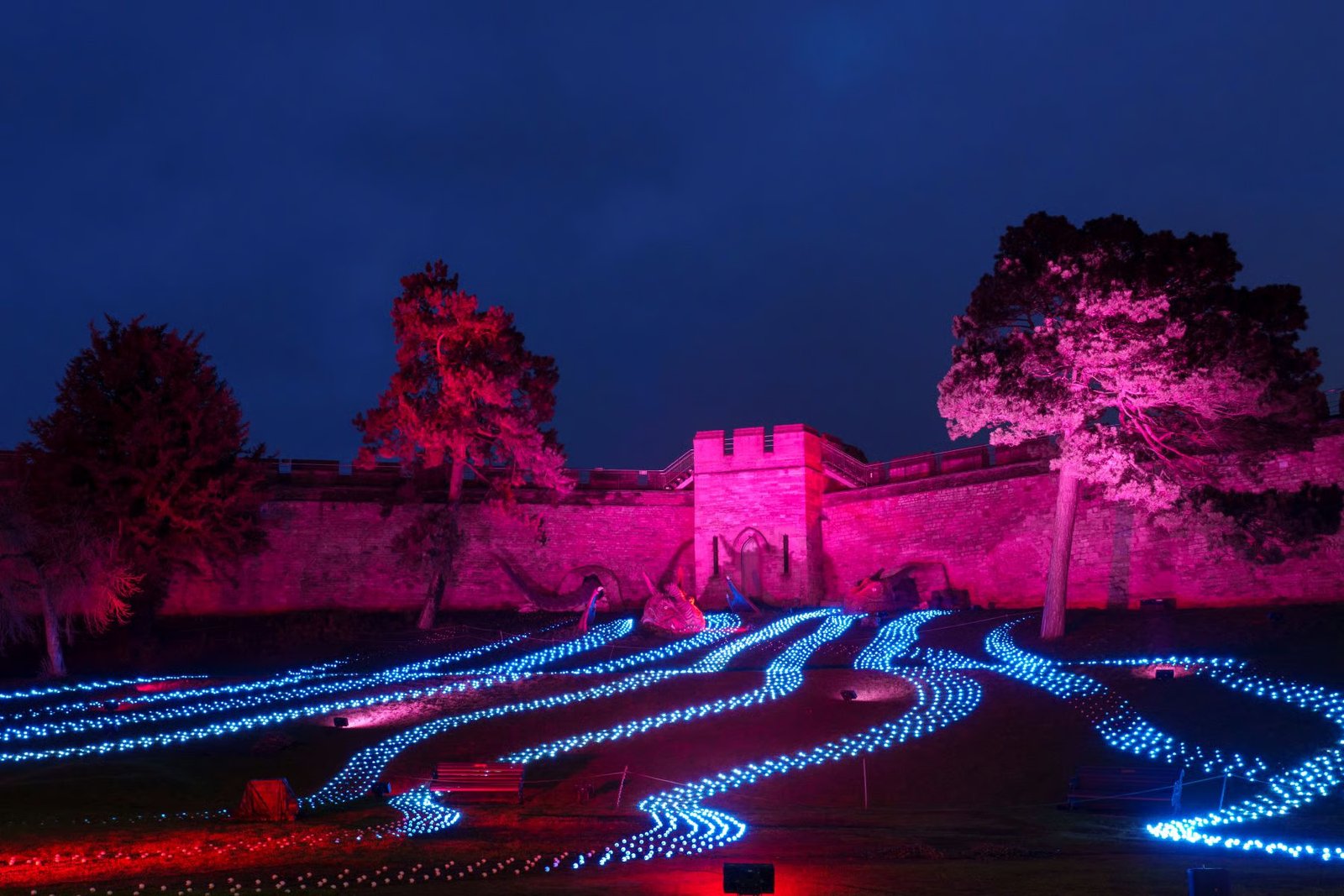
Since 2011, Frequency Festival in Lincoln has been growing its biennial programme to connect audiences to digital culture. Now, in 2026, it shifts its focus to create a city-wide celebration of light, play and discovery.
But Frequency is about more than creating spectacle – it’s about making opportunities for cultural activity to work cohesively with other sectors to create real, iterative, human-led experiences, curated by audiences themselves. With this approach, the programme stages work with the potential to develop and respond, to expand or contract and to connect people within and to place.
Frequency’s original manifesto was that ‘Digital is about everyone’. For us, this still stands at the heart of our flagship project and is a key driver in our core work as an organisation. Digital innovation moves at a rapid pace, so how can we ensure that we don’t leave people behind?
As the scope of digital creativity continues to evolve, the aim is not to prioritise novelty or innovation for its own sake. Instead, digital creative placemaking focuses on how culture can intersect meaningfully with people and place, often by adapting and rethinking existing tools and approaches.
Changing nature of engagement
Since Threshold’s inception as a grassroots-led organisation more than 28 years ago, we have seen the nature of engagement change, from community engagement to a skills-led agenda, to new models of socially engaged practice and co-creation. Fundamentally, though, people have always remained at the heart of driving real change.
We gather real-time data and use evaluation models to create moments of connection that allow us to better understand human-led design in a place setting. Generating a feedback loop, we can then respond and adapt as we build our core pillars of placemaking.
Rather than being defined by technology or format, digital creative placemaking can be understood through experience, place-based relevance and lived impact, with audiences playing an active role in shaping meaning and connection.
Threshold is consistently developing and testing a practice-led model of digital creative placemaking, built around collaboration, ‘people in place’ and partnership. We are currently exploring this work through cross-sector-based research and development and a multi-year, multi-sector place framework, with an emphasis on learning, iteration and shared understanding.
Prototyping and testing
Through a three-year Town Deal partnership with the Destination Management Organisation and the local authority, we have prototyped and tested experiences that reflect local identity, foster connection and strengthen people’s relationship with where they live and spend time, extending that sense of belonging to deepen feelings of welcome.
This project, and the insight gained through it, has been central to reshaping what was once a festival of digital culture into its new 2026 format and developing a new heritage initiative, Reimagining Lincolnshire, funded through National Heritage Lottery Fund and in partnership with the University of Lincoln, to connect our shared inclusive, intangible heritage in public spaces through creative digital experiences.
We want to enable audiences of different ages to engage with creativity in ways that build confidence, curiosity and understanding as well as support digital inclusion, health, wellness and economic impact.
Expanding the definition of regeneration
From an artistic standpoint, a collaborative focus expands opportunities for creative development, supporting artists and practitioners to test work in public-facing contexts, learn from audience interaction, and create work with the ability to iterate and respond to place.
If we expand the definition of regeneration to measure connection, participation and belonging, as well as economic return, we can see that these opportunities hold the potential to support wider social benefit. With a cross-sector approach, we can learn the vocabularies of other sectors and identify where our impact can offer them support. For artists working to devise public realm commissions, this broader vision also opens opportunities for more creative exploration, with deeper impact.
Levelling up should shift from ‘delivering to’ communities toward mobilising with them. The Arts Council England’s recognition of Digital Arts is a huge step towards unlocking new potential to bring creativity and purpose to place, and in doing so to start the process of creating lasting and meaningful change.
Reactions What do you think?