
Christie’s is to sell Indian paintings and calligraphy from the collection of the Seattle-based couple Mary and Cheney Cowles in London on 28 April, for an estimated total in excess of £1.5m.
The Cowles have been devoted collectors and dealers of East Asian art for more than four decades. Cheney opened the Crane Gallery, specialising in East Asian art, in 1975, and continued to run it until he retired in 2016. Notably, in 2019, the couple made a joint gift of 550 works of Japanese painting, calligraphy, and ceramics to the The Metropolitan Museum of Art, the Freer Sackler, and the Portland Art Museum. In 2023, they sold a selection of classical Chinese furniture at Bonhams New York.
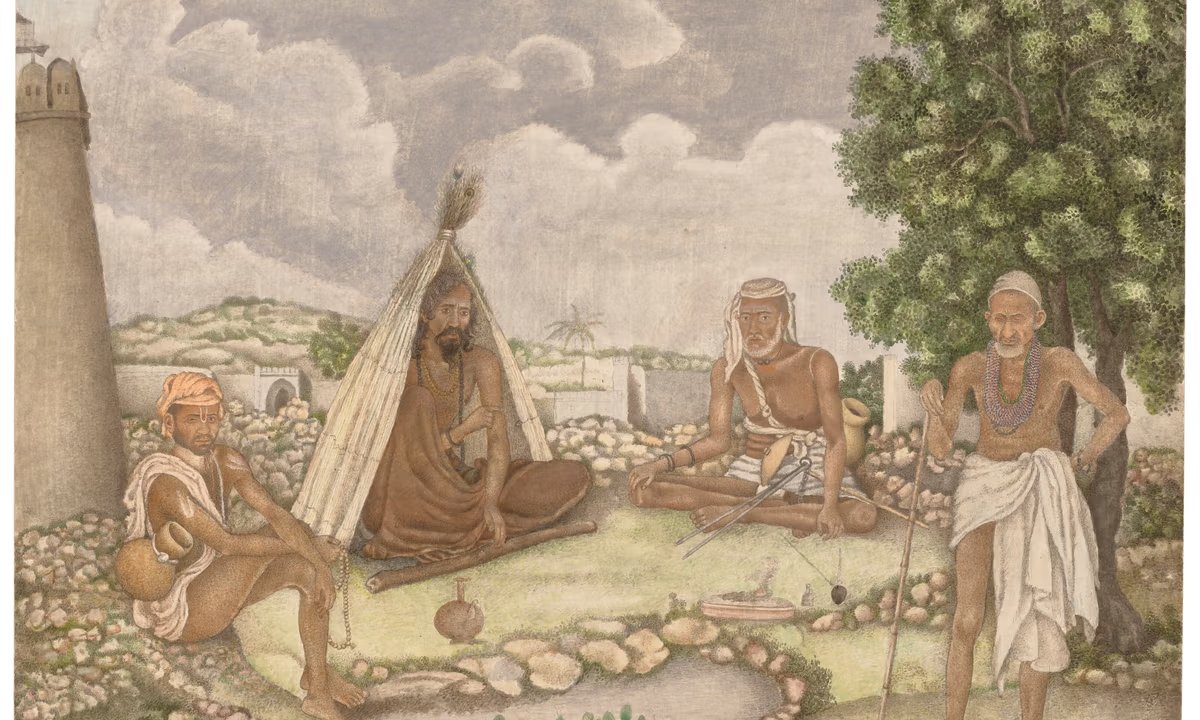
The forthcoming Christie’s sale is dominated by Mughal paintings, dating from the 16th to mid-19th century. Estimates range from the low thousands, some offered without reserve, up to £180,000 for Ascetics Encamped Outside a Walled Town, Haryana (around 1816), from the sought-after Fraser Album, a collection of paintings depicting 19th-century life in India, commissioned by the English civil servants William Fraser and his artist brother James Baillie Fraser. It was bought by the Cowles in 1988 from the New York dealer Terence McInerney
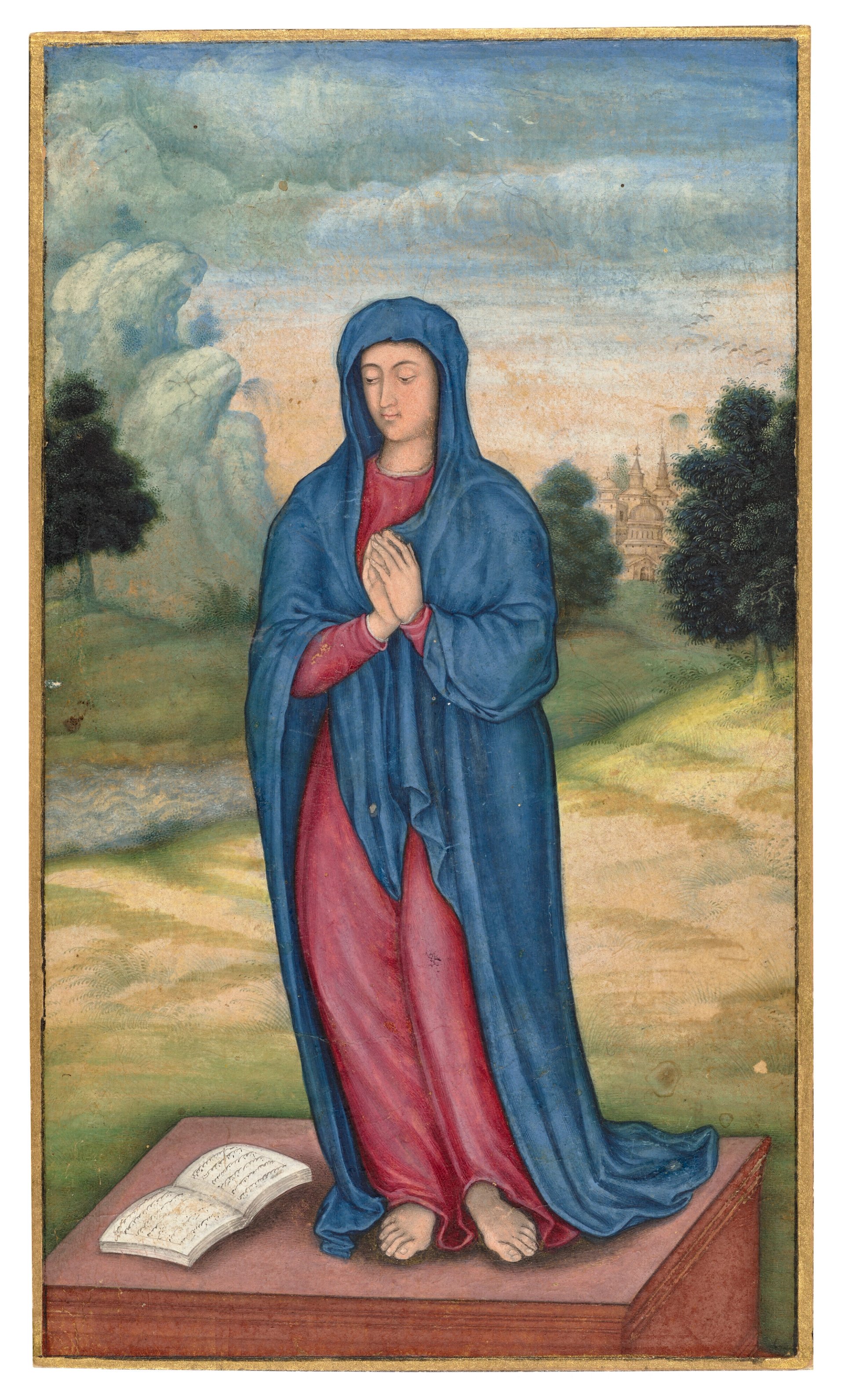
Virgin Mary Standing in Prayer (1600)
Courtesy Christie’s
“The walled town could be Rania, on the outskirts of Delhi, which William Fraser visited quite frequently because he had a bibi [an Indian companion] called Amiban who lived there, and with whom he had a number of children,” Plumbly says. Whatever the location, she says, “it speaks to Frasers’ desire to document the world that they found themselves in. It’s a spectacular painting, and one that should do well.”
The sale reflects the Cowles’s specific pockets of interest, for example a selection of four works that incorporate European motifs and techniques during the reigns of the Emperors Akbar (r. 1556-1605) and Jahangir (r. 1605-27), who had a strong interest in European art. Encouraged to study European Renaissance works by Akbar, court artists began to pick and choose European principles that fitted with Mughal aesthetics and ideas—to varying success. This “Mughal Occidentalism” can be seen in a rare Mughal depiction of the Virgin Mary (1600, est. £30,000-£60,000); The Angel Raphael Greeting Tobias (around 1600, est. £30,000-£50,000), a popular subject for court artists; a depiction of a nursing Madonna (around 1605, est. £40,000-£60,000) ascribed to the prolific court artist La’l, and a secular drawing of a woman on a bench (around 1610, est. £20,000-£30,000).
Islamic calligraphy is central to the Cowles’ collection and the modest selection in the Christie’s sale is led by an early 17th century Mughal folio from the Brabourne-Ardeshir album, with the calligraphy signed Abdullah al-Husayni, and a painting on the reverse of a courtier holding a book ascribed to Manohar (est. £80,000-£120,000).
Last October, Christie’s set a new high for any classical Indian or Islamic painting at auction, when Basawan’s A Family of Cheetahs in a Rocky Landscape (around 1575-80) sold for £10.2m with fees. It was part of a single-owner sale devoted to the collection of Prince Sadruddin Aga Khan, which notched up £45.8m from 95 lots, many times the £8m pre-sale estimate, the most valuable sale of South Asian art ever.
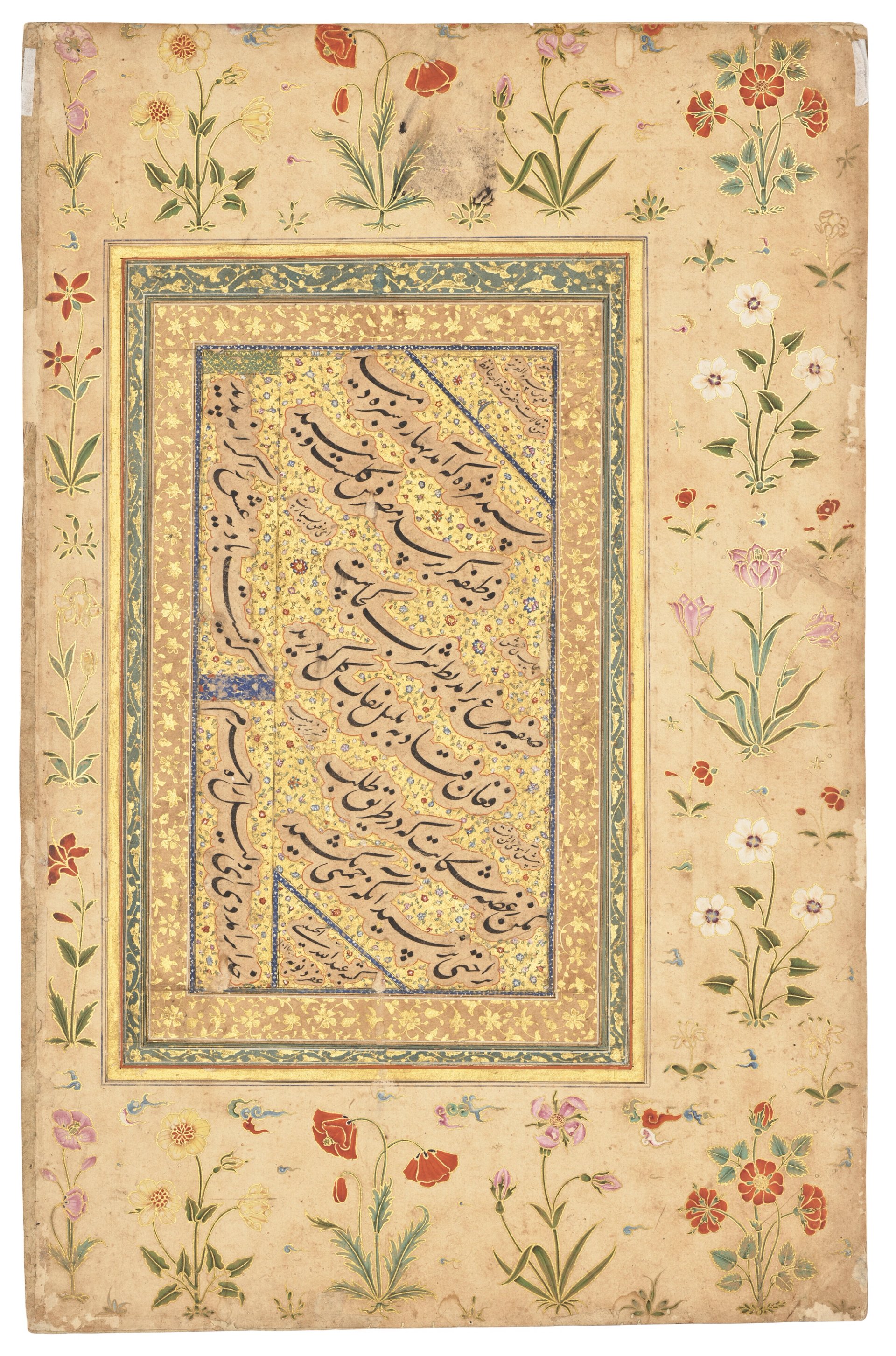
One side of a folio from the Brabourne-Ardeshir album with calligraphy signed Abdullah al-Husayni, Mughal India
Courtesy Christie’s
The Cowles collection may well benefit from the vigour of these results, and Plumbly says that the Aga Khan sale “really attracted new buyers to this particular field.” She adds: “What it highlighted is that there is a huge demand for Indian paintings of museum quality. Provenance is increasingly important in this world and in this field—the Aga Khan collection was wonderful for that, but so is the Cowles’s because they kept meticulous records.”
The variety of classical Indian painting, from the Mughal to the Deccani, along with the breadth of price points is also attractive to collectors, Plumbly says. “What we found with the Aga Khan sale was that it was the perfect chance for people who hadn’t dabbled in the field of classical painting before to do so. A lot of buyers who normally collect contemporary Indian art were, for the first time, looking to acquire earlier work, that fit into their collection in another way.”